Making ongoing support for chronic illness more accessible

Clea provides ongoing mental health support for people living with chronic illness - including migraines, chronic pain, endometriosis, autoimmune conditions, fibromyalgia, and chronic fatigue syndrome.

Built to support people between medical appointments, with dedicated Mental Health Nurse support and counselling available when needed.

Built from lived experience

Clea was founded by Simon Greally and his partner Alice - partners in life and now in purpose. Simon, a former professional athlete turned health tech leader, knows firsthand the invisibility, misdiagnosis, and mental toll that chronic illness brings.

At 31, Simon was told he had Multiple Sclerosis. The prognosis was devastating: progressive symptoms, possible wheelchair use, and a future filled with uncertainty.

But after months of tests and specialist appointments, the diagnosis changed. It wasn’t MS. It was a severe form of chronic migraine.

Invisible. Debilitating. Often impossible for others to fully understand.

That experience exposed something deeper - the emotional toll of living with chronic illness in a system built around appointments, not the reality of everyday life between them.

Clea was created for people living with conditions like migraines, endometriosis, chronic pain, autoimmune conditions, fibromyalgia, and chronic fatigue syndrome - people who often feel dismissed, exhausted, isolated, or forced to constantly start over.

We believe ongoing support matters.

That’s why Clea provides dedicated Mental Health Nurse support between appointments, with counselling available when needed - designed to work alongside your existing healthcare team, not replace it.

Because living with chronic illness can feel incredibly lonely. And people shouldn’t have to navigate it alone.
Close-up of a smiling woman’s face showing light freckles and detailed eye with long lashes.Close-up of a woman's face showing green eye, freckles, and subtle smile with brown hair.

Built for the reality of chronic illness

Purpose: Clea exists to support the emotional impact of chronic illness between medical appointments - the moments when people are often left managing symptoms, uncertainty, exhaustion, and overwhelm on their own.
What We Do: Clea provides ongoing mental health support for people living with chronic illness, with regular support between appointments from dedicated Mental Health Nurses and counselling available when needed.
How Clea fits in: Clea is designed to work alongside your existing healthcare team - not replace it. We are not a crisis, emergency, or acute psychiatric service. Our focus is ongoing support, continuity, and helping people feel more supported over time.
What we believe: Living with chronic illness can feel isolating. We believe support should continue between appointments too.
Smiling man with curly hair and beard, bathed in warm orange light against a dark background.Smiling man with wavy hair and beard lit by warm orange light against a shadowed wall.

You don’t have to justify your illness here

Living with chronic illness can be exhausting - not just physically, but emotionally too. The unpredictability, flare-ups, constant appointments, and feeling of not always being understood can take a real toll over time.

Clea was built specifically for people living with chronic illness, including migraines, endometriosis, chronic pain, autoimmune conditions, fibromyalgia, chronic fatigue syndrome, Long COVID, and cancer survivorship.

Our support is designed to continue between medical appointments, with dedicated Mental Health Nurse support and counselling available when needed.
Meet some of the people behind Clea - care coordinators, counsellors, and mental health nurses supporting members across Australia.
Smiling woman with curly hair clasping hands in front of a laptop.
Pia Greene
Counsellor, Sydney
Smiling middle-aged woman with curly gray hair and glasses looking at a smartphone.
Dr Nicole Smith
Psychologist, Brisbane
Woman wearing glasses and a red shirt listening to something on earphones while looking at her smartphone.
Sam Pozzato
Care Coordinator, Sydney
Woman wearing a black and yellow cap and a brown shirt, speaking in front of a plain beige wall.Play button icon with white triangle on black circular background.
“Living with health challenges can be exhausting, and you can’t carry it all by yourself forever. That’s why I signed up for the Clea.”
Belinda
42, Manly, living with chronic fatigue
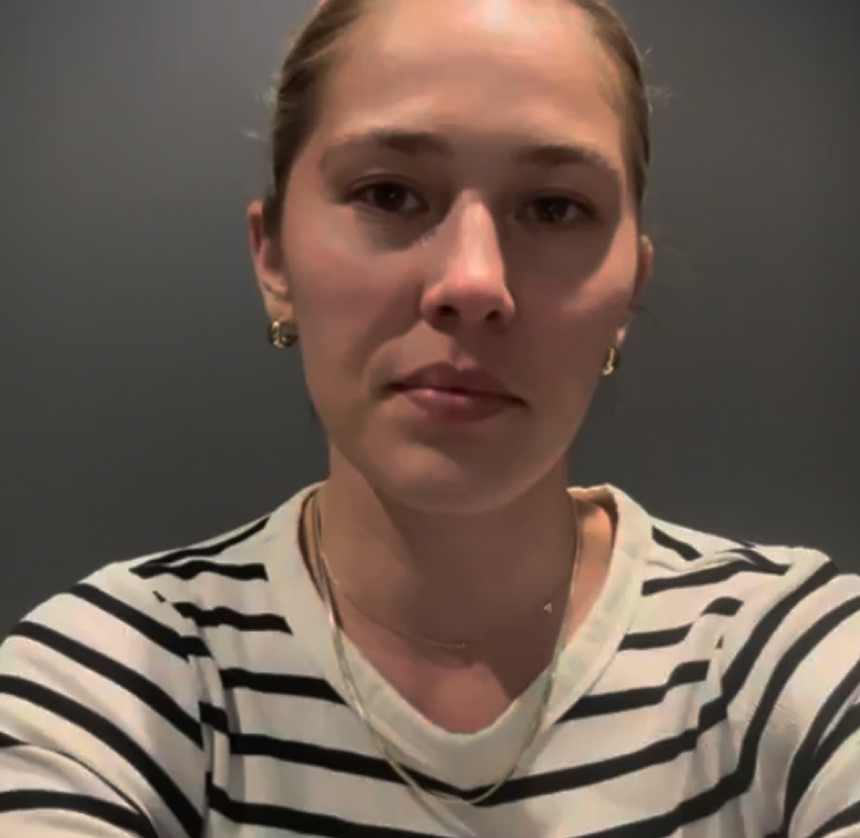
Close-up of a woman with light skin and brown hair tied back, wearing a white and black striped shirt and gold jewelry, against a dark background.Play button icon with white triangle on black circular background.
“Clea makes support simple. It’s flexible, on-going, and feels like it’s designed to work around real life, not the other way around. That’s why I joined Clea.”
Alice
29, Balmain living with chronic migraines
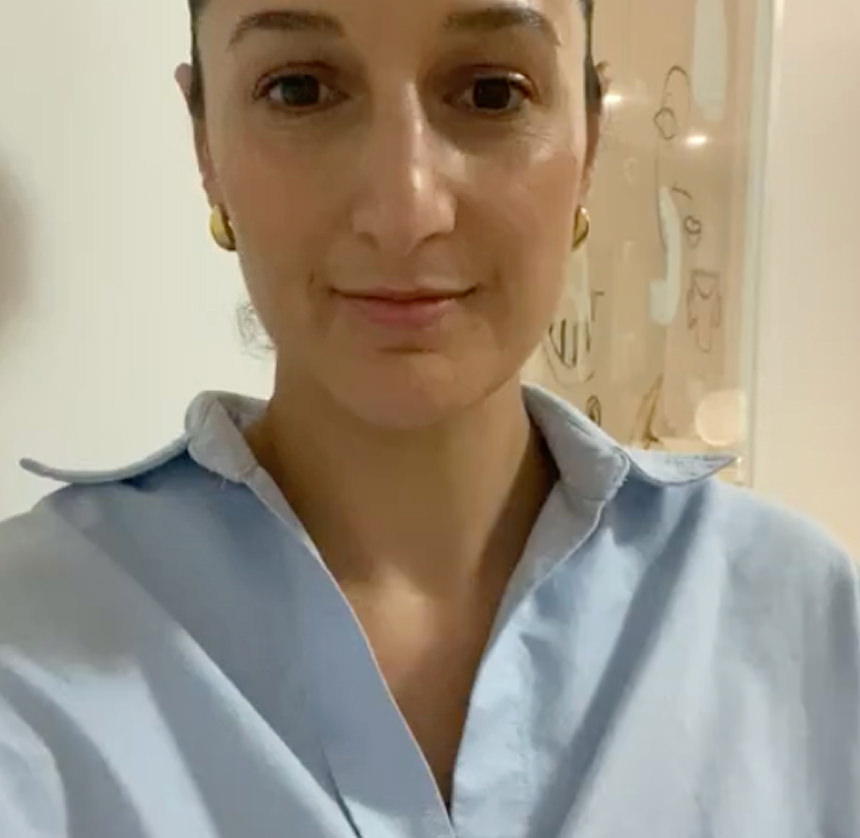
Close-up of a woman with dark hair pulled back, wearing gold hoop earrings and a light blue collared shirt, smiling slightly.Play button icon with white triangle on black circular background.
“It’s rare to find a service that feels built for you. Clea’s approach just makes sense, and I wanted to be part of it from the start, so I signed up to Clea.”
Isabelle
33, Neutral Bay, living with IBS
Man wearing a white tank top with dark trim sitting outdoors in front of a decorative black metal fence with leaf patterns.Play button icon with white triangle on black circular background.
“I signed up to Clea, it’s flexible, affordable and just makes sense.”
Benji
44, Sydney, living with chronic illness

Mental health infrastructure for chronic illness

Clea provides ongoing mental health support for people living with chronic illness - including migraines, endometriosis, chronic pain, autoimmune conditions, fibromyalgia, chronic fatigue syndrome, Long COVID, IBS, and cancer survivorship.

Our model is designed to support people between medical appointments, with regular Mental Health Nurse support, counselling available when needed, and continuity over time.

Built to work alongside your existing healthcare team - not replace it.
HAVE QUESTIONS? SPEAK WITH A CARE COORDINATOR